Protect your building from wildfire smoke with the right air filtration strategy
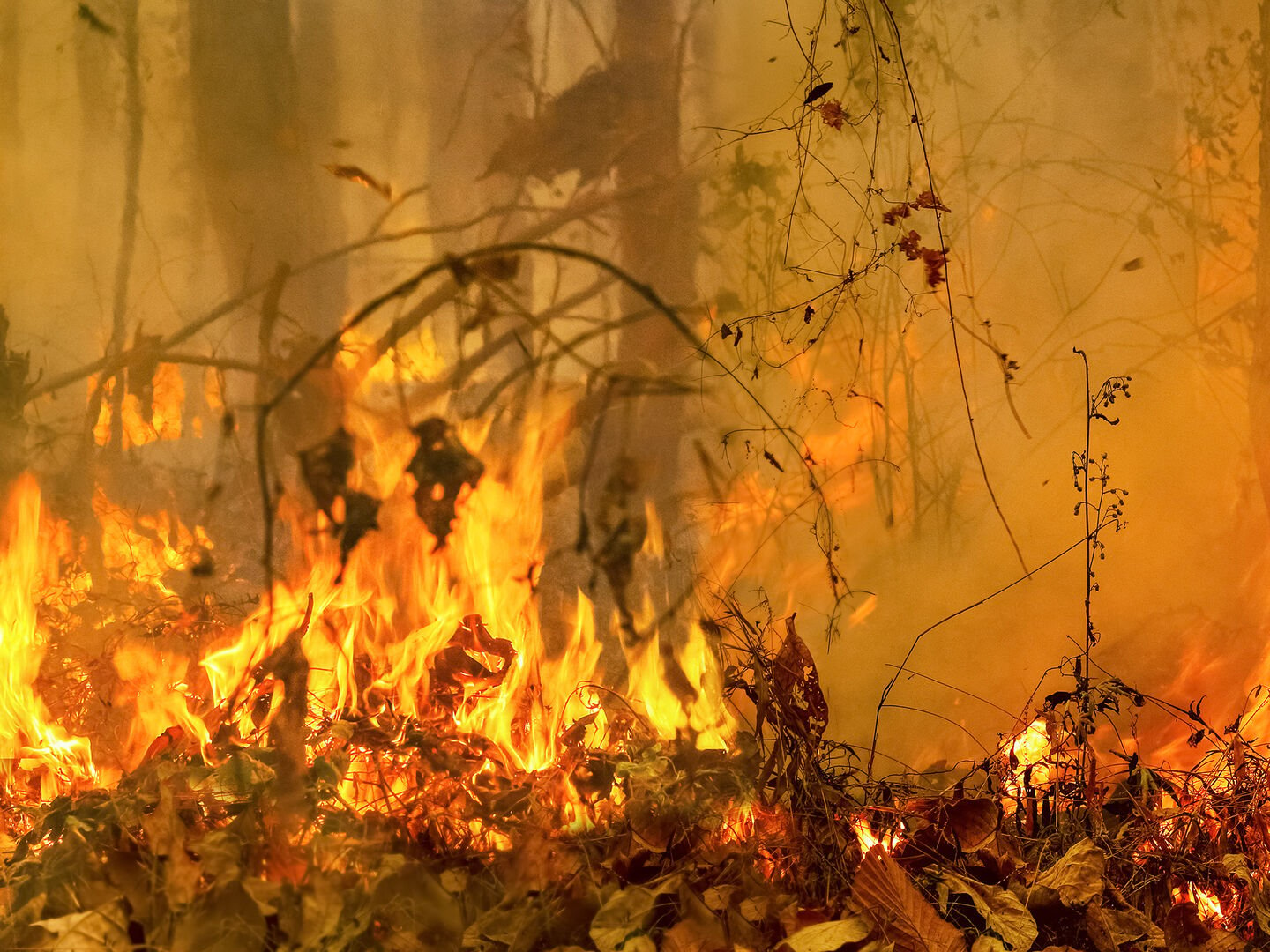
The smell of smoke drifts into the building before anyone sees the flames. Employees start complaining of irritated eyes, headaches, and a lingering odor that seems impossible to escape. Outside, a wildfire may be miles away. Still, inside, facility managers face a critical question: Is the building's air clean and safe to breathe?
Building Air Quality is a Concern During Wildfire Events
During wildfire season, protecting indoor air quality becomes more than a comfort issue. It becomes a responsibility. The right combination of particulate and molecular filtration can help capture harmful wildfire particles, reduce smoke odors, and create a healthier indoor environment for occupants. Learn how effective filtration strategies can help safeguard occupant health, improve comfort, and support cleaner air not only during wildfire events, but throughout the year.
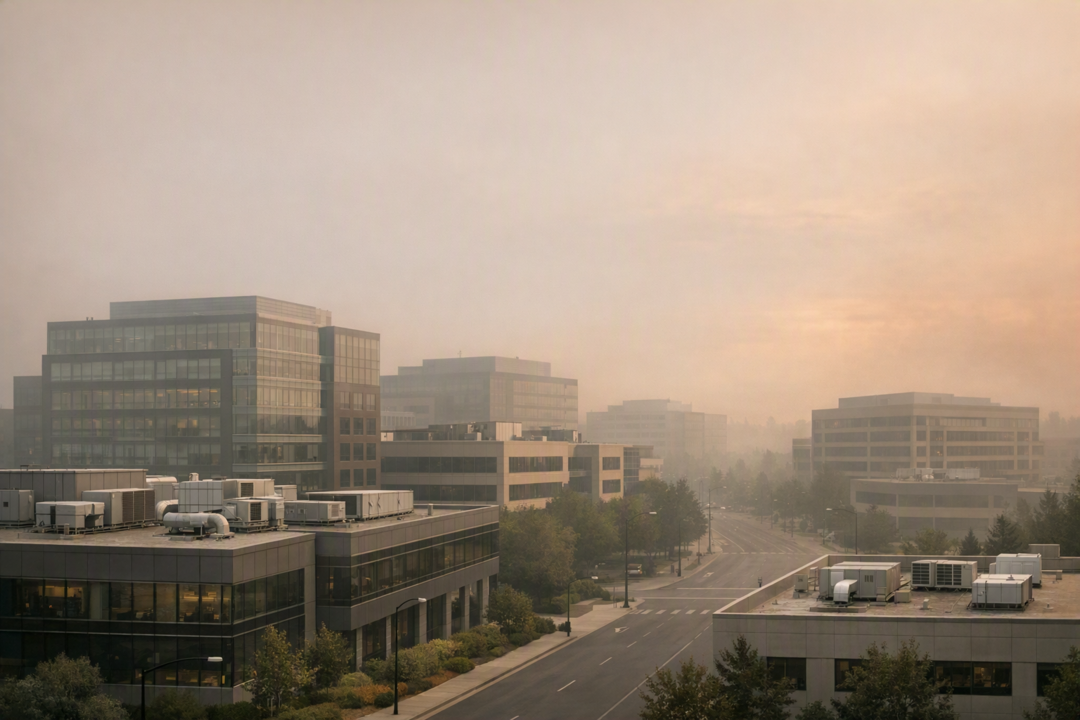
Commercial and institutional buildings need a plan for protecting occupants during wildfire smoke events. With more than 45,400 wildfires reported in North America so far this year, air quality alerts have been issued across more than a dozen US states. Wildfire smoke can travel thousands of miles and affect communities far from the source. Facility teams across the country may question how well their buildings are prepared for declining outdoor air quality.
Filtration Strategies for Wildfire Smoke Readiness
Wildfire smoke brings two challenges indoors: harmful fine particles and persistent odors. Addressing both requires a combination of high-efficiency particulate filtration and molecular filtration. Filters rated MERV 13A and higher capture the fine particles in wildfire smoke that can affect occupant health while maintaining efficiency over extended periods. The "A" designation is especially important during wildfire season, when smoke events can last for days or recur throughout the year. To tackle smoke odors, molecular filters use highly porous activated carbon to absorb odor-causing gases, removing them from the airstream and helping create a cleaner, more comfortable indoor environment.
An appropriate filtration strategy can address the unique challenges of wildfire smoke for building occupants. A combination of high-efficiency particulate filtration and molecular filtration addresses fine particles and smoke-related odors, creating cleaner indoor air when outdoor air is at its worst. A proper filtration plan can provide healthier indoor environments year-round by protecting occupants from everyday air pollutants.
Can Commercial Buildings Offer Cleaner Air Than Homes During Wildfire Events?
A properly filtered commercial building should provide cleaner indoor air than a typical home during a wildfire event because many residential HVAC systems use lower-efficiency filters that allow fine particulate matter and odors to get inside. Well-maintained commercial HVAC systems can use high-efficiency filters and molecular filtration to capture fine particles and reduce odors.
Filtration Strategies for Wildfire Smoke Readiness
Wildfire smoke brings two challenges indoors: harmful fine particles and persistent odors. Addressing both requires a combination of high-efficiency particulate filtration and molecular filtration. Filters rated MERV 13A and higher capture the fine particles in wildfire smoke that can affect occupant health while maintaining efficiency over extended periods. The "A" designation is especially important during wildfire season, when smoke events can last for days or recur throughout the year. To tackle smoke odors, molecular filters use highly porous activated carbon to absorb odor-causing gases, removing them from the airstream and helping create a cleaner, more comfortable indoor environment.
An appropriate filtration strategy can address the unique challenges of wildfire smoke for building occupants. A combination of high-efficiency particulate filtration and molecular filtration addresses fine particles and smoke-related odors, creating cleaner indoor air when outdoor air is at its worst. A proper filtration plan can provide healthier indoor environments year-round by protecting occupants from everyday air pollutants.
How Camfil Supports a Layered Wildfire Smoke Strategy
Camfil offers a variety of MERV 13A filtration options, including Hi-Flo ES, designed to support sustained particle removal with its energy-saving benefits. Its high-efficiency filtration helps capture fine particles associated with wildfire smoke, including PM2.5, which poses some of the greatest health concerns. For facilities evaluating wildfire smoke readiness, Hi-Flo ES supports even cleaner indoor air while managing long-term operating efficiency.
Camfil's CityPleat technology combines particulate and molecular filtration to support cleaner indoor air by capturing airborne particles. At the same time, the activated carbon media helps reduce odors. It can be paired with high-efficiency particulate filters to create a more complete defense against wildfire smoke, giving facility teams another option for addressing both particle capture and smoke-related comfort concerns.
Camfil's City-Flo filtration supports buildings that need both high-efficiency particulate filtration and molecular filtration by combining particle capture with activated carbon media. This dual-action design is especially useful during wildfire events because it is available in MERV 13A and higher options, helping facilities address fine particles, reduce odors and maintain more comfortable indoor air during air quality alerts.
Prepare Before Air Quality Alerts
Facility management should review current filter efficiency, confirm whether systems can support higher-rated filters, and evaluate whether molecular filtration is needed before the next air quality alert is issued. A proactive approach can be more effective when wildfire smoke affects outdoor air quality.
Wildfire smoke can create serious indoor air quality challenges, from fine particles that affect occupant health to gases and odors that reduce comfort. Choosing filters with appropriate MERV ratings, especially MERV 13A and higher, helps buildings capture the fine particulate matter associated with smoke while maintaining reliable performance throughout the filter's service life. For a more complete approach, Camfil recommends pairing high-efficiency particulate filtration, such as Hi-Flo ES, with molecular filtration solutions, including CityPleat and City-Flo, to help protect people and support cleaner, more comfortable indoor environments during wildfire season and beyond.