With an optimised ventilation system, the hospital saves both energy and money
Karolinska University Hospital in Solna is a modern hospital with over 500 care beds. The new buildings in Solna received their first patients in 2016, and the goal is to have the conditions needed to provide the most advanced care.
Applications
Customer(s)
- Karolinska University Hospital in Solna
Country
- Sweden
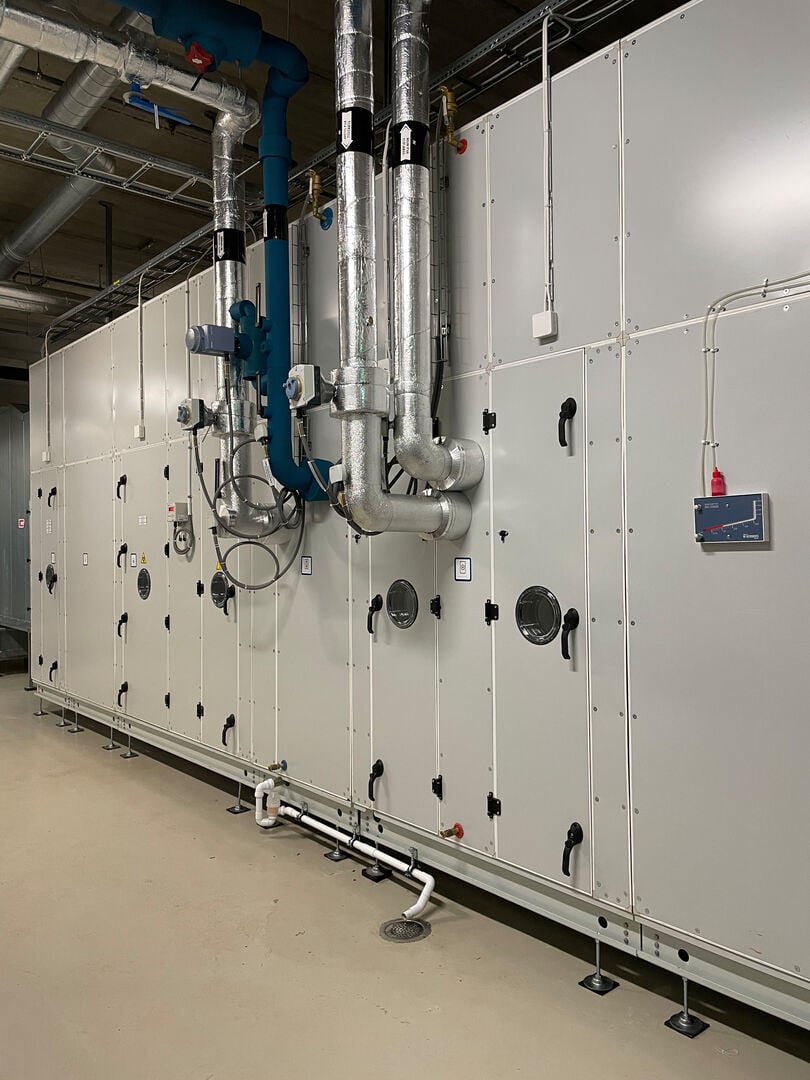
Good and healthy air quality is extremely important in hospitals so that patients have the best possible conditions for good care and recovery. That is why significant resources are invested in maintaining and optimising the ventilation systems. In Solna, the Facility Management company Coor has been contracted to manage the operation of the hospital, including ventilation and air quality. Coor contacted Camfil when it was time to review the ventilation.
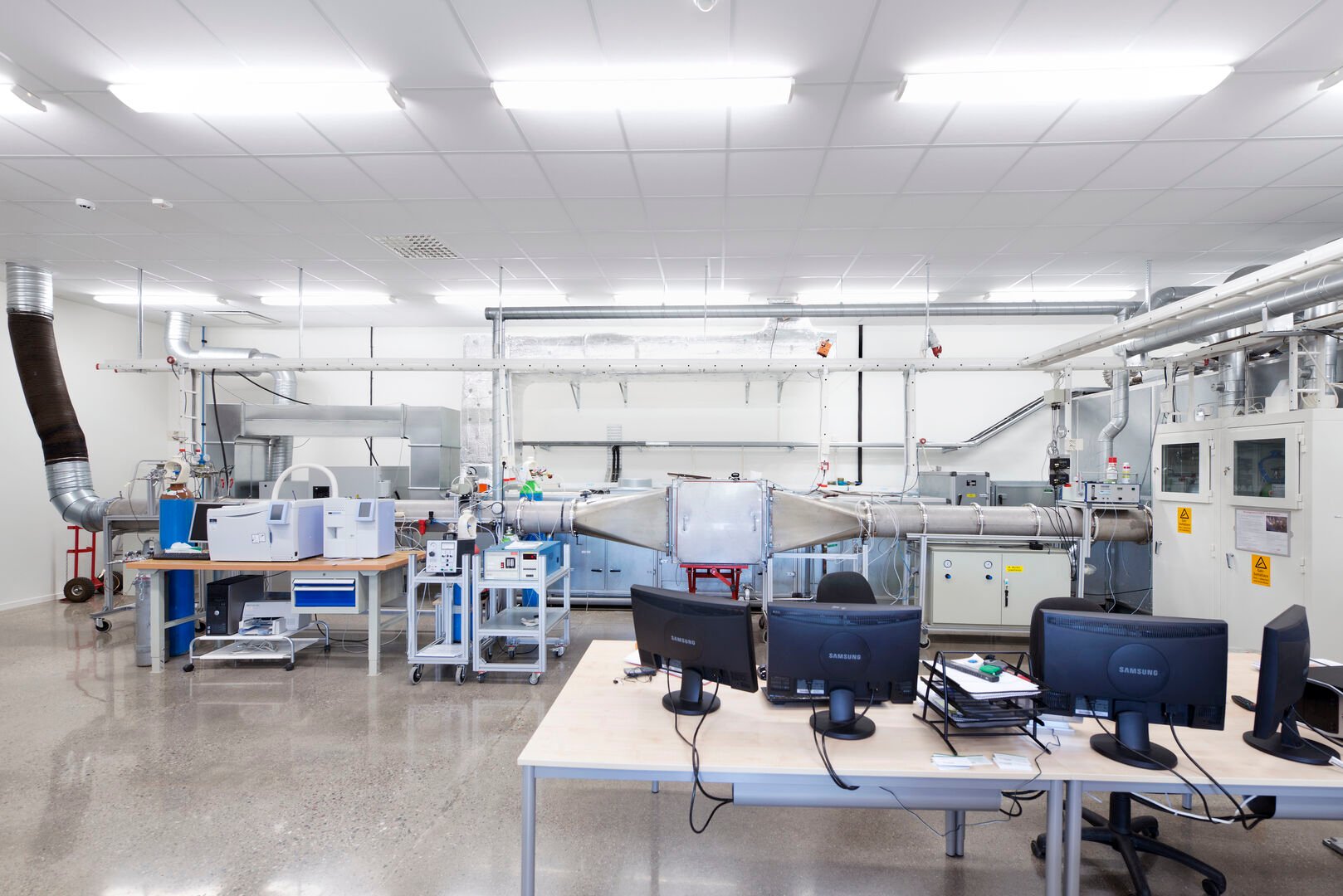
To understand the starting point, Camfil went on site to measure the air quality using particle counters. Camfil took air samples and installed AirImagesensors that can measure the air in real time and display the results online. In addition, filter samples were taken from the existing ventilation to be analysed in Camfil’s laboratories. The investigations showed that the outdoor air was highly polluted and that even the filtered indoor air had high particle levels.
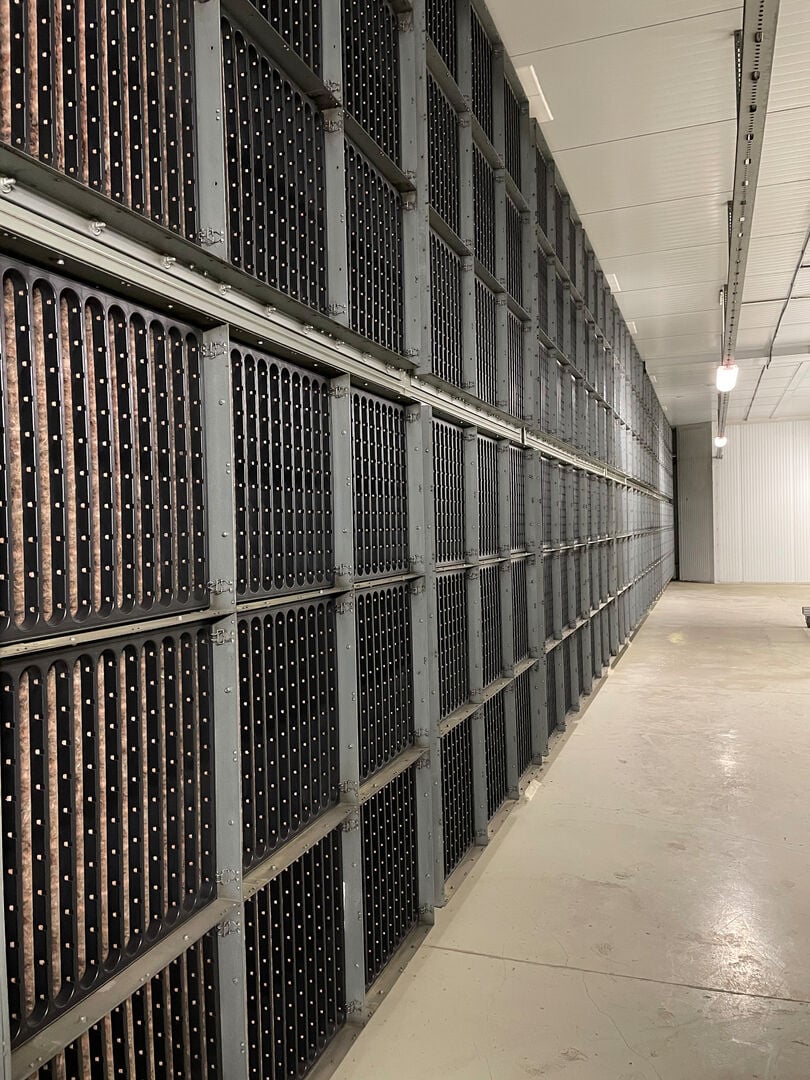
Camfil recommended an upgrade of the existing filter installations to reduce pollution from outside. An upgrade to ePM1 70% filters in two stages would provide a better indoor environment with cleaner air. It would protect the second filter stage and thereby save energy, money and extend the filters’ lifetime.
In close cooperation with Coor, the solution chosen was double ePM1 70% fine filters. The solution means that the filters provide such good protection in the first stage that the filters in the second stage do not need to be replaced as often. This in turn has led to lower filter costs – over two years, approximately SEK 500,000 has been saved. The new solution has also resulted in energy savings; since there is no data on energy consumption from before the installation, it is difficult to report the exact result. However, it is clear that pressure drops have generally decreased, which means energy savings and therefore lower operating costs. Since around 70% of the total life cycle cost is energy and the purchase price of the filter accounts for only about 15%, the choice of filter is crucial for both the economy and the environment. Follow-up tests also show that the hospital now has very clean air and low particle levels.